Everything You Need to Know About Stroke
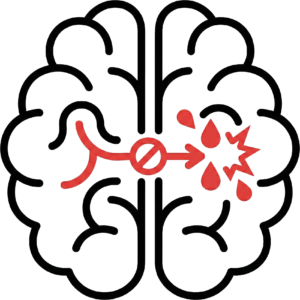
Strokes are major medical emergencies that occur when blood flow to a part of the brain is interrupted. This interruption prevents the brain from receiving the oxygen and nutrients it needs, causing brain cells to die within minutes. There are two main types of stroke: ischemic stroke and haemorrhagic stroke.
What Is a Stroke?
A stroke occurs when the blood supply to a part of the brain is stopped or significantly reduced, depriving brain tissue of oxygen and nutrients. Brain cells begin to die within minutes, which can lead to brain damage, disabilities, or even death.
The Different Types of Stroke
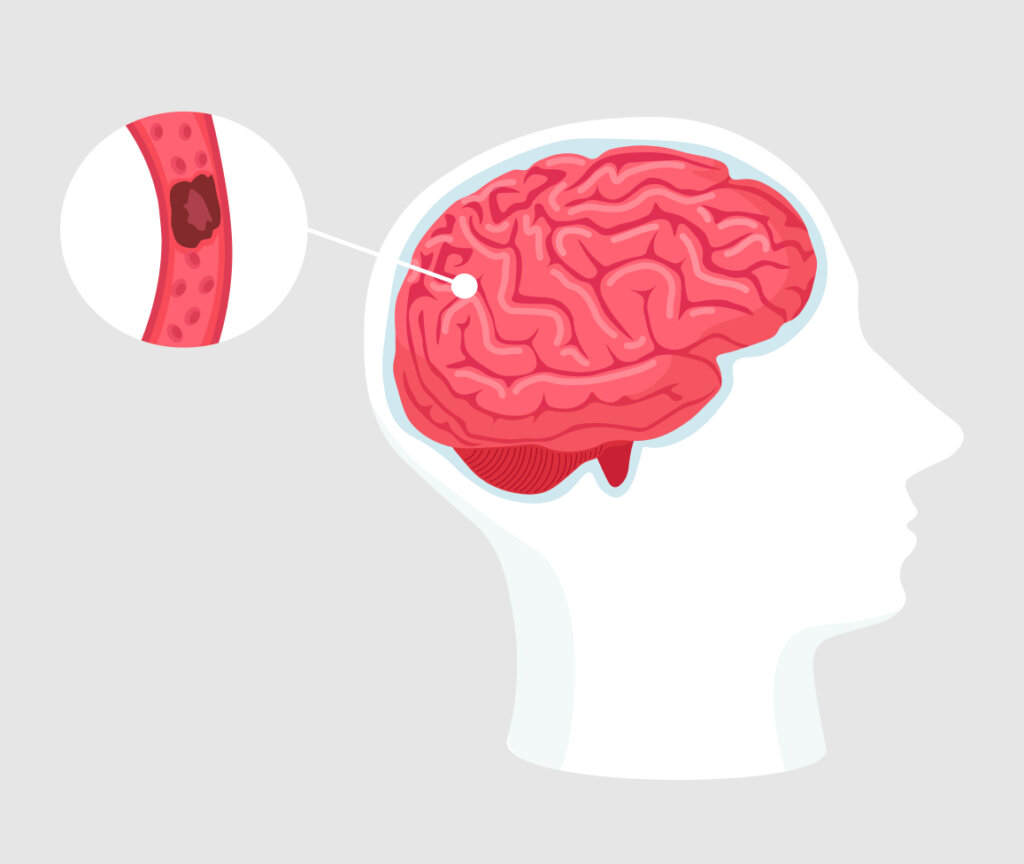
Ischemic Stroke
Represents about 80% of all cases. It is caused by an obstruction of a cerebral artery, often due to a blood clot.
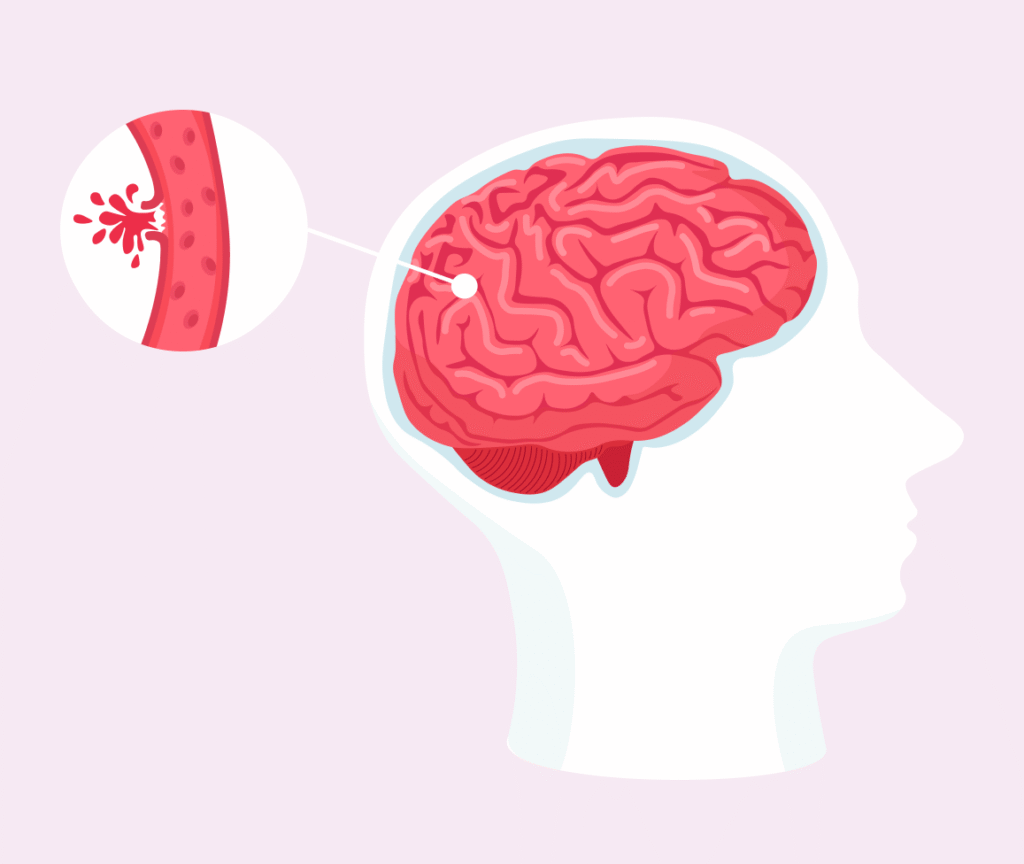
Haemorrhagic Stroke
Less common (about 20% of cases), it results from the rupture of a blood vessel in the brain, causing bleeding.
Focus on Haemorrhagic Stroke
A haemorrhagic stroke occurs when a blood vessel in the brain ruptures, causing bleeding within the brain. This bleeding can damage surrounding brain cells by increasing intracranial pressure.
Symptoms of Haemorrhagic Stroke
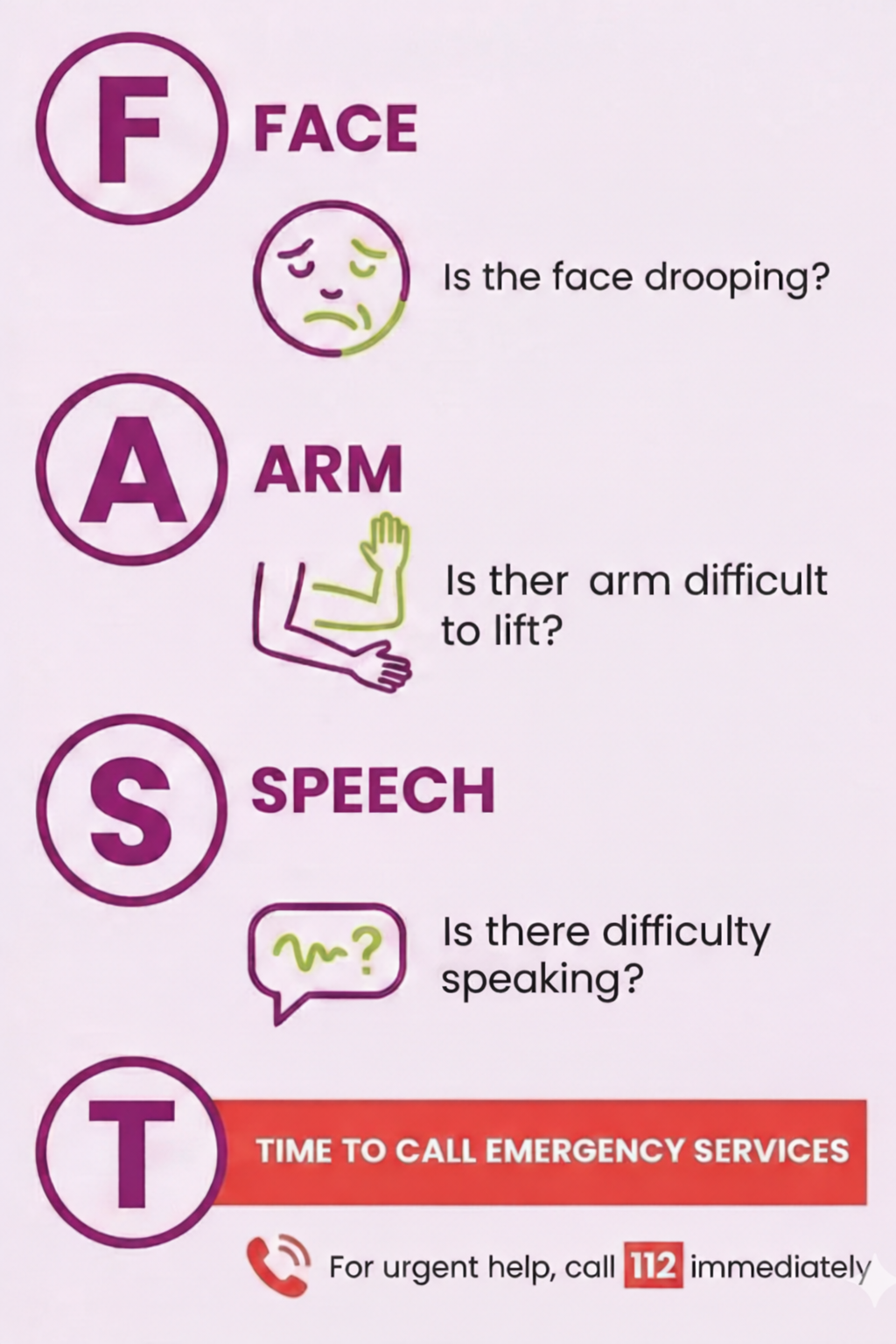
The symptoms of a stroke—whether ischaemic or haemorrhagic—are the same and appear suddenly:
- Muscle weakness and/or paralysis in one or more limbs or on one side of the face
- Loss of sensation or numbness in one or more limbs or on one side of the face
- Vision disturbances
- Difficulty speaking or understanding speech
- Problems with balance or coordination
- Reduced alertness
- Sudden, severe headache
Faced with such symptoms,
call emergency services immediately (15 in France or 112, the European emergency number).
Causes and Risk Factors
Spontaneous cerebral haemorrhages are often the consequence of small‑vessel disease caused by high blood pressure, as well as other cardio‑neuro‑vascular risk factors such as:
- Diabetes
- Obesity
- Smoking
- Excessive alcohol consumption
- Sleep apnoea
- Sedentary lifestyle
Diagnosis and Treatment
Diagnosis relies on imaging examinations such as a brain CT scan or MRI.
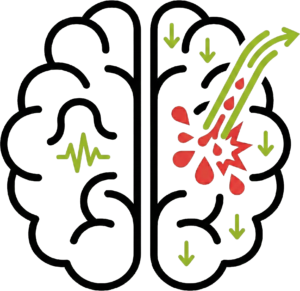
The current treatment of a haemorrhagic stroke is based on strict control of the patient’s blood pressure to limit haematoma expansion, along with supportive measures that help protect neurons (control of blood glucose, electrolyte balance, body temperature and ventilation).
For many years, therapeutic advances in the field of cerebral haemorrhages have been limited.*
“In the absence of a specific treatment today, our attitude towards haemorrhagic stroke remains too fatalistic. Yet research conducted in recent years has identified actionable targets.” Prof Charlotte CORDONNIER
*Source: Accident vasculaire cérébral (AVC) · Inserm, La science pour la santé
The Treatment Approach Considered within the RHU TIPITCH Project
both surgical interventions and medication.
“We will use a device similar to the one employed during thrombectomy procedures — a neuronavigation catheter developed in collaboration with the company Balt — to access the rupture site and stop the bleeding.”
“We are optimising the minimally invasive surgical technique to improve haematoma evacuation.”
“We are developing medications that could potentially be administered orally around 24 hours after symptom onset.”
Prevention: the strongest defence against stroke
Prevention relies on controlling blood pressure, maintaining a balanced diet, stopping smoking, limiting alcohol consumption, and engaging in regular physical activity.
- Monitor your blood pressure and cholesterol
- Stop smoking, limit alcohol intake
- Be active for 30 minutes a day
- Eat a balanced diet and reduce salt
- Manage stress and sleep well
- Know the warning signs FAST